Discussion Questions
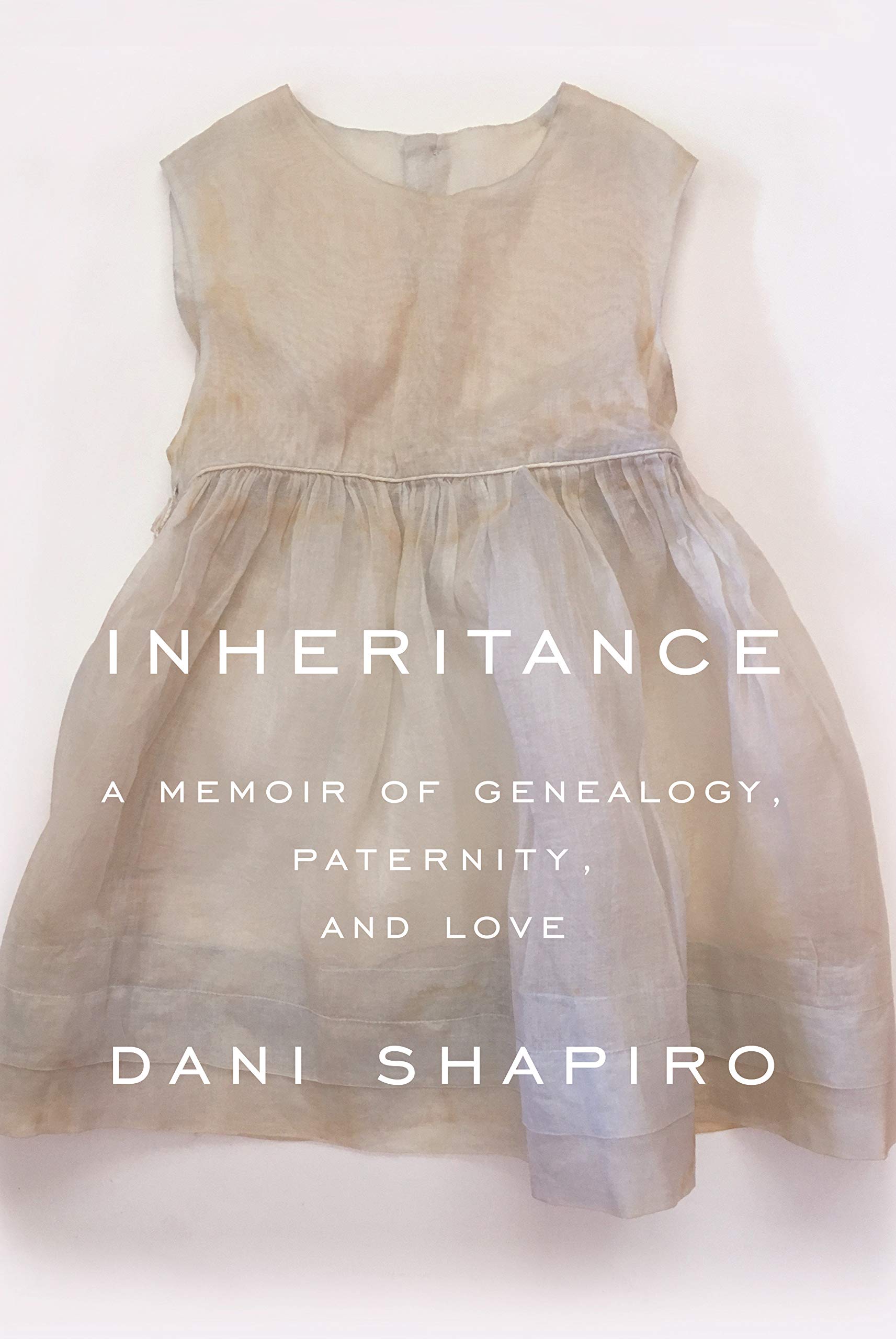
1. The title of this book is Inheritance. What does it mean, in the context of the memoir?
2. Shapiro chose two quotes for her epigraph, one from Sylvia Plath and the other from George Orwell. What do they mean individually, and how does each affect your understanding of the other?
3. "You’re still you," Shapiro reminds herself. What does she mean by this?
4. Much of Shapiro’s understanding of herself comes from what she believes to be her lineage. "These ancestors are the foundation upon which I have built my life," she says on page 12. Would Shapiro feel so strongly if her father’s ancestors weren’t so illustrious? How does Shapiro’s understanding of lineage change over the course of the book?
5. Judaism is passed on from mother to child—the father’s religion holds no importance. So why does Shapiro’s sense of her own Jewishness rely so much on her father?
6. Chapter 7 opens with a discussion of the nature of identity. "What combination of memory, history, imagination, experience, subjectivity, genetic substance, and that ineffable thing called the soul makes us who we are?" Shapiro writes on page 27. What do you believe makes you, you?
7. Shapiro follows that passage with another provocative question: "Is who we are the same as who we believe ourselves to be?" What’s your opinion?
8. Identity is one major theme of the book. Another is the corrosive power of secrets. On page 35, Shapiro writes, "All my life I had known there was a secret. What I hadn’t known: the secret was me." What might have changed if Shapiro had known her origins growing up?
9. On page 43, Shapiro quotes a Delmore Schwartz poem. What does this mean? Why is it significant to Shapiro?
1. The title of this book is Inheritance. What does it mean, in the context of the memoir?
2. Shapiro chose two quotes for her epigraph, one from Sylvia Plath and the other from George Orwell. What do they mean individually, and how does each affect your understanding of the other?
3. "You’re still you," Shapiro reminds herself. What does she mean by this?
4. Much of Shapiro’s understanding of herself comes from what she believes to be her lineage. "These ancestors are the foundation upon which I have built my life," she says on page 12. Would Shapiro feel so strongly if her father’s ancestors weren’t so illustrious? How does Shapiro’s understanding of lineage change over the course of the book?
5. Judaism is passed on from mother to child—the father’s religion holds no importance. So why does Shapiro’s sense of her own Jewishness rely so much on her father?
6. Chapter 7 opens with a discussion of the nature of identity. "What combination of memory, history, imagination, experience, subjectivity, genetic substance, and that ineffable thing called the soul makes us who we are?" Shapiro writes on page 27. What do you believe makes you, you?
7. Shapiro follows that passage with another provocative question: "Is who we are the same as who we believe ourselves to be?" What’s your opinion?
8. Identity is one major theme of the book. Another is the corrosive power of secrets. On page 35, Shapiro writes, "All my life I had known there was a secret. What I hadn’t known: the secret was me." What might have changed if Shapiro had known her origins growing up?
9. On page 43, Shapiro quotes a Delmore Schwartz poem. What does this mean? Why is it significant to Shapiro?
What am I now that I was then?
May memory restore again and again
The smallest color of the smallest day;
Time is the school in which we learn,
Time is the fire in which we burn.
May memory restore again and again
The smallest color of the smallest day;
Time is the school in which we learn,
Time is the fire in which we burn.
10. Throughout the memoir, Shapiro uses literary extracts to illuminate what she feels or thinks—poems by Schwartz and Jane Kenyon, passages from Moby Dick and a novel by Thomas Mann. How does this help your understanding?
11. All her life, people had been telling Shapiro she didn’t look Jewish. If this hadn’t been part of her life already, how do you think she might have reacted to the news from her DNA test?
12. After Shapiro located her biological father, she emailed him almost immediately—against the advice of her friend, a genealogy expert. What do you imagine you would have done?
13. Why was it so important to Shapiro to believe that her parents hadn’t known the truth about her conception?
14. Her discovery leads Shapiro to reconsider her memories of her parents: "Her unsteady gaze, her wide, practiced smile. Her self-consciousness, the way every word seemed rehearsed. His stooped shoulders, the downward turn of his mouth. The way he was never quite present. Her rage. His sorrow. Her brittleness. His fragility. Their screaming fights." (page 100)
15. On page 107, when discussing her father’s marriage to Dorothy, Rabbi Lookstein tells Shapiro, "We thought your father was a hero." Shapiro comes back to her father’s decision to go through with the marriage several times in the book. Why?
16. At her aunt Shirley’s house, Shapiro sees a laminated newspaper clipping about the poem recited in a Chevy ad. (page 133) Why does Shapiro include this detail in the book? What is its significance?
17. On page 188, Shapiro writes, "In time, I will question how it could be possible that Ben—a man of medicine, who specialized in medical ethics—had never considered that he might have biological children." How do you explain that?
18. How does Shapiro’s experience with contemporary reproductive medicine affect the way she judges her parents? What do you imagine future generations will say about our current approach to artificial insemination?
19. What do you make of the similarities between Shapiro and her half sister Emily?
20. On page 226, Shapiro brings up a psychoanalytic phrase, "unthought known." How does this apply to her story?
21. What prompts Shapiro to legally change her first name?
22. Shapiro ends her book with a meditation on the Hebrew word hineni, "Here I am." Why is this phrase so powerful?
11. All her life, people had been telling Shapiro she didn’t look Jewish. If this hadn’t been part of her life already, how do you think she might have reacted to the news from her DNA test?
12. After Shapiro located her biological father, she emailed him almost immediately—against the advice of her friend, a genealogy expert. What do you imagine you would have done?
13. Why was it so important to Shapiro to believe that her parents hadn’t known the truth about her conception?
14. Her discovery leads Shapiro to reconsider her memories of her parents: "Her unsteady gaze, her wide, practiced smile. Her self-consciousness, the way every word seemed rehearsed. His stooped shoulders, the downward turn of his mouth. The way he was never quite present. Her rage. His sorrow. Her brittleness. His fragility. Their screaming fights." (page 100)
15. On page 107, when discussing her father’s marriage to Dorothy, Rabbi Lookstein tells Shapiro, "We thought your father was a hero." Shapiro comes back to her father’s decision to go through with the marriage several times in the book. Why?
16. At her aunt Shirley’s house, Shapiro sees a laminated newspaper clipping about the poem recited in a Chevy ad. (page 133) Why does Shapiro include this detail in the book? What is its significance?
17. On page 188, Shapiro writes, "In time, I will question how it could be possible that Ben—a man of medicine, who specialized in medical ethics—had never considered that he might have biological children." How do you explain that?
18. How does Shapiro’s experience with contemporary reproductive medicine affect the way she judges her parents? What do you imagine future generations will say about our current approach to artificial insemination?
19. What do you make of the similarities between Shapiro and her half sister Emily?
20. On page 226, Shapiro brings up a psychoanalytic phrase, "unthought known." How does this apply to her story?
21. What prompts Shapiro to legally change her first name?
22. Shapiro ends her book with a meditation on the Hebrew word hineni, "Here I am." Why is this phrase so powerful?
Menu
Comfort food preferably from a specific identifiable ethnic background; Jewish dishes